25 Authentic Traditional Mexican Dishes You Must Try: A Culinary Journey Through Mexico
Discover 25 authentic traditional Mexican dishes every traveler should try, from birria in Guadalajara and mole in Oaxaca to cochinita pibil in Yucatán.
Mexico is not a single cuisine—it is a delicious map of cornfields, coastal waters, mountain kitchens, Indigenous traditions, family recipes, markets, and regional pride. The food most visitors know abroad is only the beginning. A taco can change completely from one state to another; a sauce may require dozens of ingredients and hours of patient preparation; and a breakfast at a neighborhood market can be as memorable as a reservation at an acclaimed restaurant.

For travelers, eating in Mexico is one of the most direct ways to understand the country. Every dish tells a story: of the milpa, where corn, beans, and squash have grown together for generations; of the chile, which brings aroma and character as much as heat; of Spanish, African, Middle Eastern, Asian, and Indigenous influences; and of cooks who preserve traditions while constantly reinventing them.
UNESCO recognized traditional Mexican cuisine as Intangible Cultural Heritage because it is much more than a collection of recipes. It is a living cultural system built around farming, preparation, celebration, and community. From Guadalajara to Oaxaca, Puebla to Mérida, and Mexico City to the Pacific Coast, here are 25 authentic traditional Mexican dishes that deserve a place on every food lover’s itinerary.
1. Tacos al Pastor
If there is one dish that captures the joyful energy of Mexican street food, it is tacos al pastor. Thin slices of marinated pork are cooked on a vertical spit, then shaved directly onto a small corn tortilla with onion, cilantro, salsa, and usually a piece of pineapple.
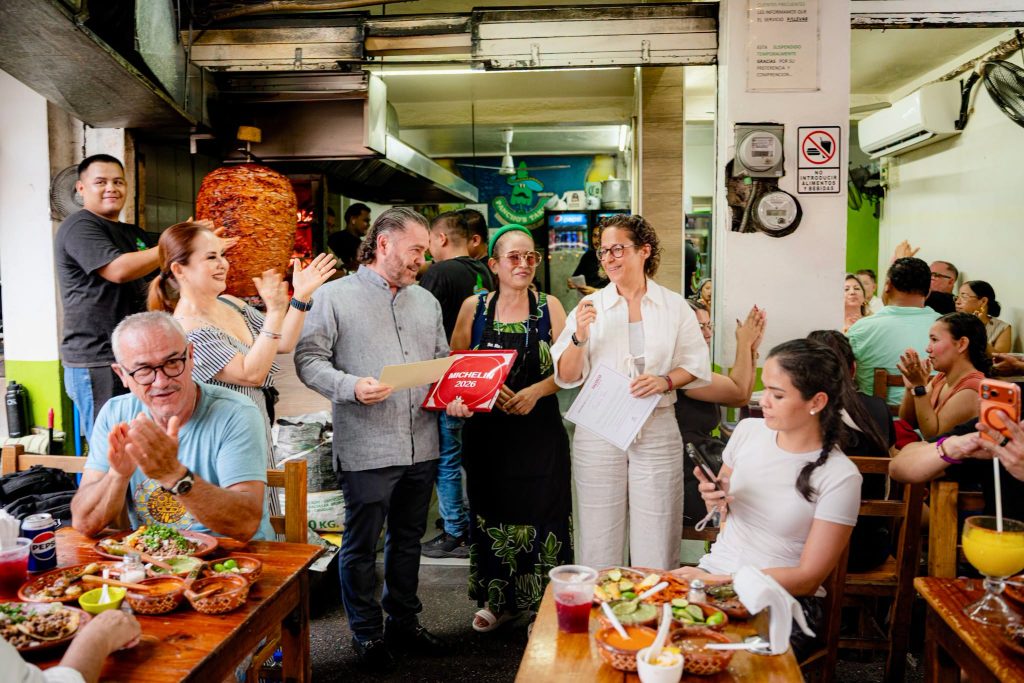
The technique is related to the shawarma-style cooking introduced by Lebanese immigrants to Mexico, but the flavor is completely Mexican: dried chiles, achiote, spices, and a balance of sweet, smoky, and savory notes. The best tacos al pastor are eaten standing beside a busy taquería, preferably with a cold agua fresca and an order of “one more.”
2. Birria
Birria is one of Jalisco’s most celebrated culinary gifts to Mexico. Traditionally made with goat, though beef versions are now widely enjoyed, the meat is slowly cooked with dried chiles, herbs, spices, and a deeply flavored broth called consomé.
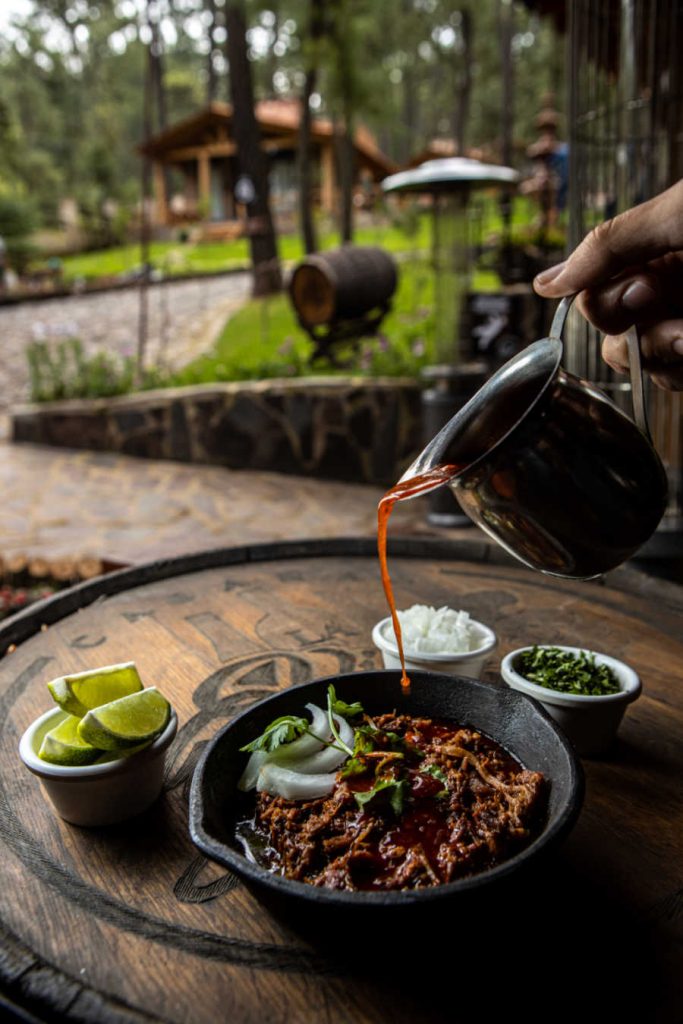
In Guadalajara, birria is a beloved breakfast, weekend ritual, and cure for a long night out. It can be served in a bowl with warm tortillas, lime, chopped onion, cilantro, and salsa. The dish has become internationally famous through birria tacos and quesabirria, but tasting a traditional bowl of birria in its home state is an essential Guadalajara food experience.
3. Pozole
Pozole is a celebratory soup with ancient roots. Its foundation is nixtamalized corn—large kernels called hominy—slow-cooked until tender and fragrant. Depending on the region, it may be prepared with pork, chicken, or vegetables and served in red, green, or white versions.
The ritual is part of the pleasure. Diners customize their bowl with shredded lettuce or cabbage, radish, onion, lime, oregano, tostadas, avocado, and chile. In Jalisco, pozole is a classic Sunday meal, especially the red style. It is generous, comforting, and designed to be shared around a large table.
4. Mole
Mole is not one sauce but an entire universe of sauces. It may be dark and complex, green and herbal, red and fruity, or yellow and bright. Its ingredients can include dried chiles, seeds, nuts, spices, tomatoes, tomatillos, herbs, fruit, tortilla, bread, and sometimes chocolate.
Oaxaca is famous for its many varieties of mole, while Puebla is renowned for mole poblano. The best versions are balanced rather than simply spicy or sweet. Served over chicken, turkey, enchiladas, or tamales, mole is a dish of patience and ceremony—a true expression of Mexican culinary craftsmanship.
5. Chilaquiles
A Mexican morning feels more complete with a plate of chilaquiles. Corn tortilla chips are lightly simmered in salsa roja or salsa verde, then topped with cream, cheese, onion, avocado, egg, chicken, or other additions.
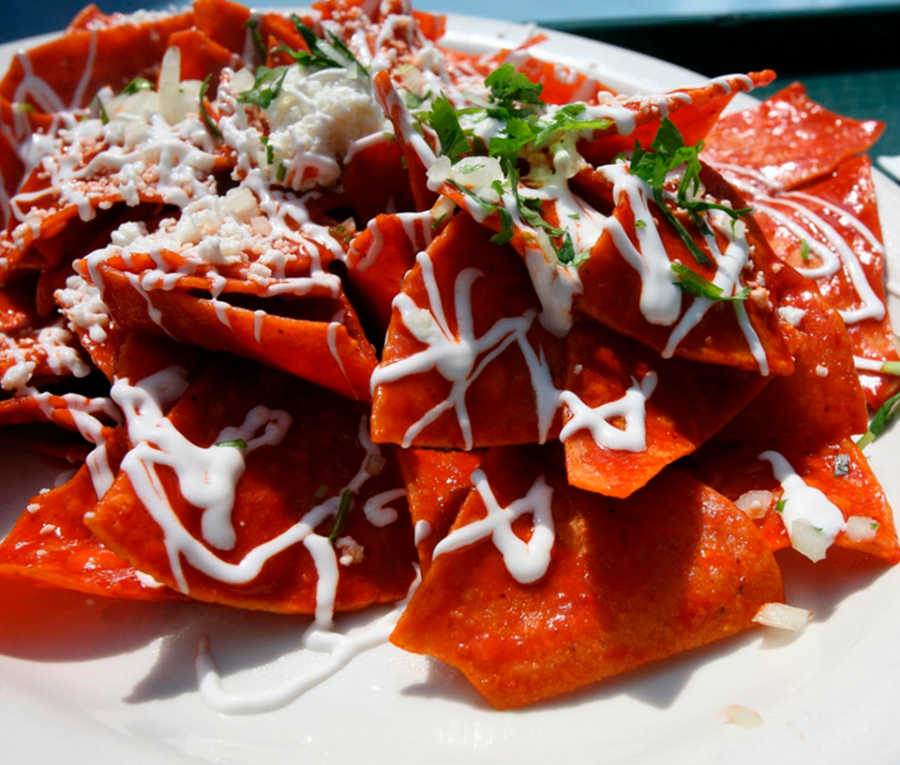
The secret is texture. Some people prefer the tortillas still crisp at the edges; others want them fully softened by the salsa. Either way, chilaquiles are one of Mexico’s great breakfasts: bright, filling, and endlessly adaptable. They are also an excellent introduction to the everyday magic of Mexican sauces.
6. Tamales
Tamales are among the most ancient and meaningful foods in Mexico. Masa is spread onto a corn husk or banana leaf, filled with ingredients such as chicken in salsa verde, pork in chile rojo, beans, cheese, vegetables, or sweet flavors, then steamed until tender.
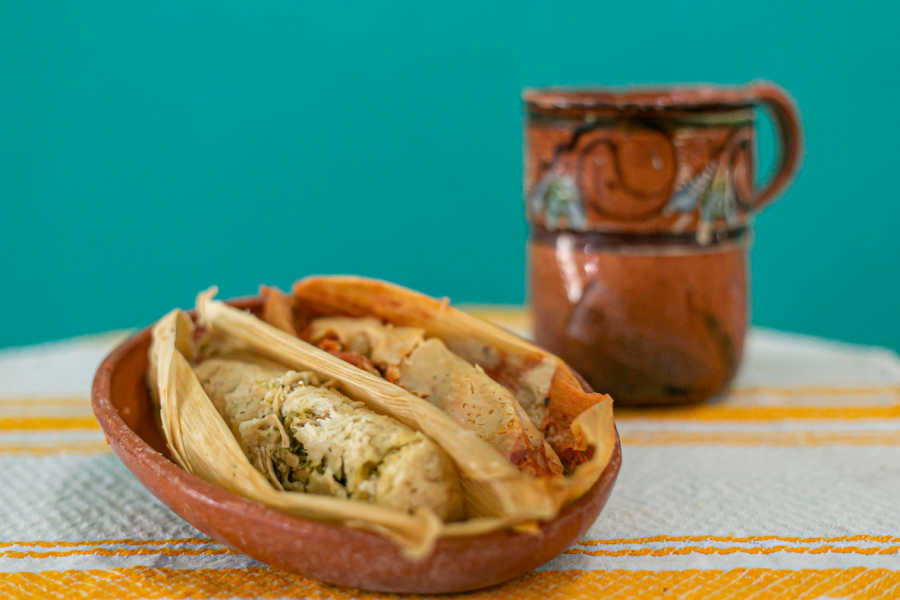
They are often prepared in groups for holidays, birthdays, family gatherings, and religious celebrations. Regional versions are wonderfully diverse: large Oaxacan tamales wrapped in banana leaf, Yucatecan mukbil pollo, and sweet tamales with raisins or cinnamon. A tamal with hot atole is a classic Mexican breakfast.
7. Cochinita Pibil
Cochinita pibil is one of the defining dishes of the Yucatán Peninsula. Pork is marinated with achiote, sour citrus, garlic, and spices, then traditionally wrapped in banana leaves and slow-cooked in an underground oven called a pib.
The result is tender, vividly colored meat with a gently smoky, citrusy flavor. It is served in tacos, tortas, or panuchos, and should be accompanied by pickled red onions and habanero salsa. It is a beautiful example of Maya culinary heritage still alive in contemporary Mexico.
8. Tlayudas
Often called “Oaxacan pizza” by travelers, a tlayuda deserves to be understood on its own terms. It begins with a large, crisp corn tortilla spread with asiento, beans, cheese, cabbage, avocado, and meats such as tasajo, cecina, or chorizo.
Usually folded in half and toasted over a charcoal grill, it is smoky, crunchy, rich, and ideal for a late-night meal. In Oaxaca, tlayudas are a market and street-food institution. They reveal how a humble tortilla can become an entire meal.
9. Enchiladas
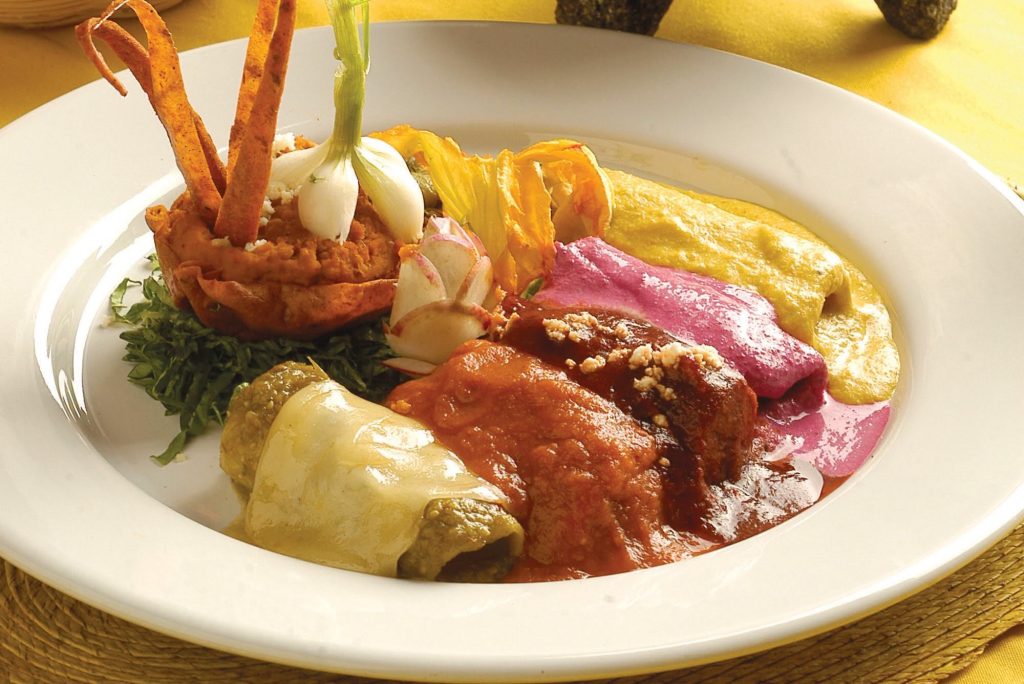
Enchiladas vary dramatically across Mexico, but their basic idea is irresistible: lightly fried or softened tortillas filled with chicken, cheese, beans, vegetables, or meat, then covered in sauce. They may be red, green, creamy, smoky, spicy, or mild.
Try enchiladas suizas with green salsa and cream, enchiladas verdes with tomatillo sauce, or enchiladas mineras in Guanajuato, often served with potatoes, carrots, cheese, and chile sauce. What makes them memorable is the sauce—freshly prepared and deeply tied to the cook and region.
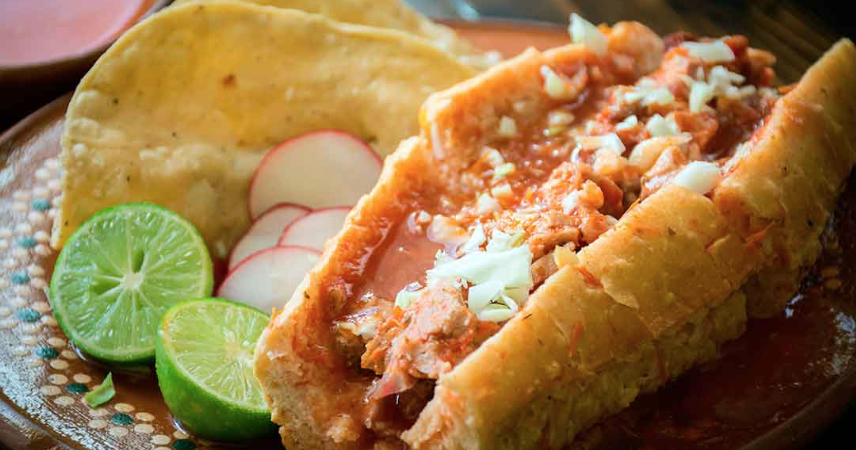
10. Torta Ahogada
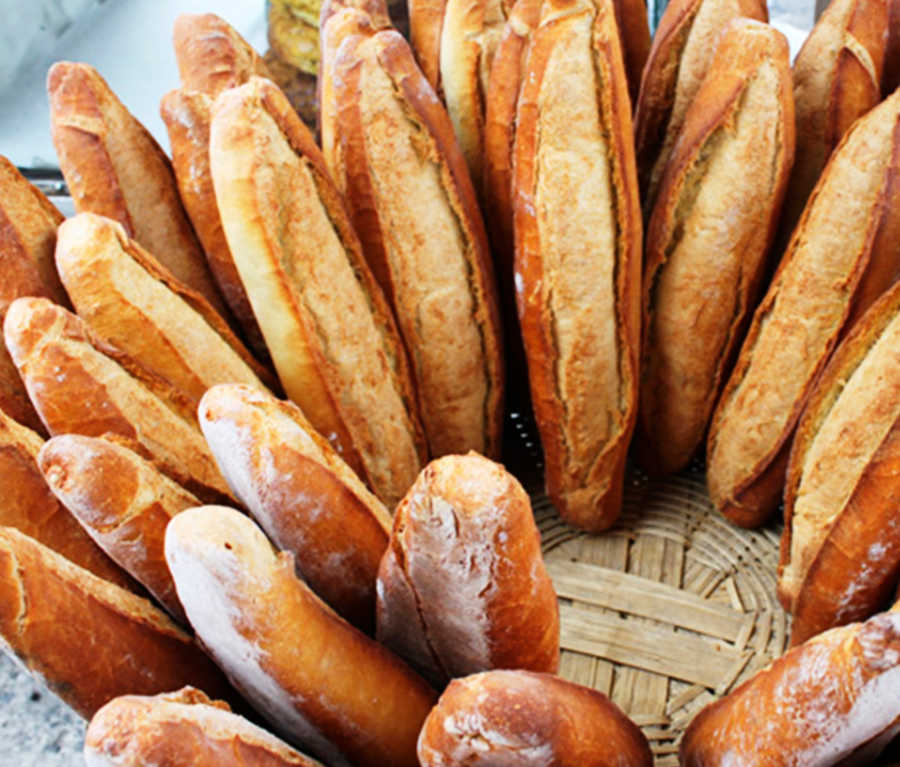
No visit to Guadalajara is complete without trying a torta ahogada. This iconic Jalisco sandwich begins with a crusty local bread known as birote salado, filled traditionally with carnitas, then “drowned” in a spicy chile de árbol sauce and finished with a milder tomato sauce.
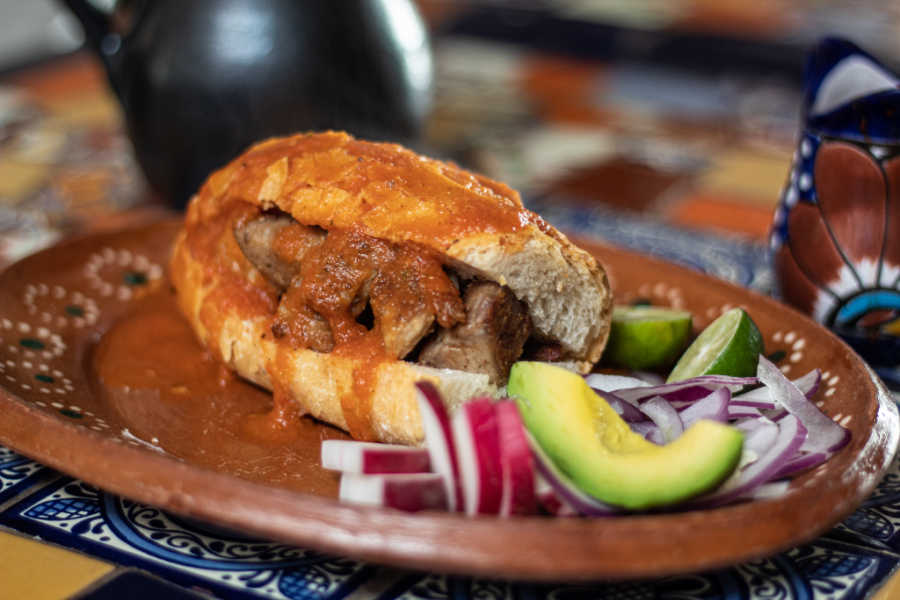
It is messy by design, so do not worry about eating it elegantly. Ask for it media ahogada if you want less sauce, or bien ahogada if you are ready to embrace the full experience. It is bold, spicy, and unmistakably tapatío.
11. Carnitas
Carnitas are pork cooked slowly in its own fat until the meat becomes tender, rich, and crisp at the edges. Originating in Michoacán, they are served by weight and often include a choice of cuts, from lean maciza to flavorful ribs, skin, or slow-cooked pork belly.
Warm tortillas, salsa, onion, cilantro, lime, and pickled vegetables are all that is needed. Carnitas are a perfect example of Mexican food’s respect for every part of an ingredient and its talent for turning simple elements into something unforgettable.
12. Chiles en Nogada
Chiles en nogada are one of Mexico’s most visually striking dishes. A poblano chile is stuffed with a savory-sweet mixture of meat, fruits, and spices, then covered in creamy walnut sauce and scattered with pomegranate seeds.
The green chile, white sauce, and red pomegranate echo the colors of the Mexican flag. Traditionally associated with Puebla and the late-summer season, this dish is rich, elegant, and highly symbolic. It is a special occasion meal, not everyday street food—and that is part of its charm.
13. Barbacoa
Barbacoa refers to meat—often lamb, goat, or beef—slow-cooked until extraordinarily tender, traditionally in a pit oven lined with maguey leaves. The leaves add moisture and aroma while the meat cooks slowly for hours.
In central Mexico, barbacoa is often enjoyed on weekends with consommé, fresh tortillas, salsa, lime, and a cold drink. It is a dish that rewards patience. The flavor is subtle, earthy, and deeply satisfying, especially when eaten early in the morning at a local market.
14. Pescado a la Talla
Along Mexico’s Pacific coast, pescado a la talla is a seafood classic. A whole fish is butterflied, marinated with chile sauces, and grilled over open flames. The skin becomes smoky and crisp while the flesh remains tender.
It is particularly associated with Guerrero and beach destinations near Acapulco, but its appeal is universal. Served with tortillas, rice, beans, salsa, and lime, it transforms a beach lunch into a memorable regional feast.
15. Aguachile
Aguachile is a vibrant seafood dish from Mexico’s Pacific coast, especially Sinaloa. Fresh shrimp is typically cured in lime juice and dressed with a fiery blend of green chile, cilantro, cucumber, onion, and sometimes tomatillo.
It is bright, clean, spicy, and refreshing—ideal in warm weather. While it may resemble ceviche, aguachile has its own sharper, more chile-forward character. For the best experience, choose a busy, reputable seafood restaurant where freshness is clearly a priority.
16. Sopa de Lima
Sopa de lima is a fragrant specialty of Yucatán. It combines chicken broth, shredded chicken, tomato, onion, herbs, and crisp tortilla strips, with the distinct perfume of local lime.
Despite its apparent simplicity, it is layered and deeply comforting. The citrus does not overwhelm the broth; instead, it lifts every ingredient. For travelers who want to explore Yucatecan cuisine beyond cochinita pibil, sopa de lima is a delicious place to begin.
17. Pambazos
A pambazo is a sandwich unlike any other. The bread is dipped in a red guajillo chile sauce, then fried and filled—often with potatoes and chorizo—before being topped with lettuce, cream, and cheese.
It is especially popular in Mexico City and central Mexico. The bread absorbs the sauce without losing all its texture, creating a spicy, satisfying, and wonderfully messy street-food experience. One pambazo can easily become a full meal.
18. Tlacoyos
Tlacoyos are oval-shaped masa cakes, often blue corn, filled with beans, fava beans, cheese, or other ingredients. They are cooked on a comal, then topped with cactus paddles, salsa, cheese, and sometimes cream.
These pre-Hispanic delights are most associated with central Mexico. They are proof that traditional Mexican food does not need to be complicated to be exceptional: good corn, a hot comal, and a flavorful filling are enough to create something timeless.
19. Sopes
A sope is a thick, round base of masa with pinched edges that hold a generous layer of toppings. Beans, cheese, meat, lettuce, salsa, onion, cream, and avocado are common choices.
Sopes are popular throughout Mexico and are ideal for trying different combinations of sauces and fillings. The slightly thick masa base is what makes them distinctive: it is crisp on the outside, soft within, and sturdy enough to carry bold flavors.
20. Elote and Esquites
Corn is at the heart of Mexican cuisine, and elote is one of its happiest expressions. A grilled or boiled corn cob is dressed with lime, chile, cheese, mayonnaise or cream, and salt. It is simple, portable, and impossible to ignore when you catch its aroma on the street.
Esquites offer the same pleasures in a cup: tender corn kernels with lime, chile, cheese, and sometimes broth. Both are excellent introductions to Mexico’s love affair with corn.
21. Chapulines
In Oaxaca, chapulines—seasoned grasshoppers—are a traditional snack with a long history. Toasted with chile, garlic, lime, and salt, they are crunchy, tangy, and surprisingly easy to enjoy.
They are often served with mezcal, sprinkled over guacamole, or sold in market stalls. For adventurous travelers, chapulines offer a chance to taste an ingredient that is both culturally significant and environmentally practical. Start with a small portion, and let curiosity lead the way.
22. Caldo de Res
Caldo de res is Mexican comfort food at its most generous. This hearty beef soup includes large pieces of corn on the cob, carrots, potatoes, zucchini, cabbage, chayote, and sometimes squash blossoms or other seasonal vegetables.
It is not a delicate broth; it is a complete home-style meal served in a bowl. With lime, salsa, tortillas, and rice on the side, caldo de res offers travelers a taste of the kind of food many Mexican families grew up eating.
23. Huevos Motuleños
Huevos motuleños come from Motul, Yucatán, and make breakfast feel like a celebration. Fried eggs sit over tortillas and black beans, topped with tomato sauce, peas, ham, cheese, and sometimes plantains.
The dish is colorful, filling, and full of contrasts: creamy beans, rich egg yolk, sweet plantain, and bright tomato. It is a wonderful reminder that Mexican breakfast extends far beyond eggs and tortillas.
24. Paletas and Nieves
Mexico’s answer to a hot afternoon is a paleta or a scoop of nieve. Paletas are frozen treats made with fruit or cream, while nieves are often lighter, more intensely flavored sorbets.
Look for seasonal ingredients such as mango, tamarind, guava, lime, coconut, mamey, hibiscus, and passion fruit. In towns throughout Mexico, local ice cream shops create flavors that reflect their region. A simple paleta can become a small, refreshing lesson in Mexican fruit.
25. Jericalla
End a culinary journey in Guadalajara with jericalla, one of Jalisco’s most cherished desserts. This baked custard is made with milk, egg yolks, sugar, cinnamon, and vanilla, then browned on top until it develops a slightly caramelized surface.
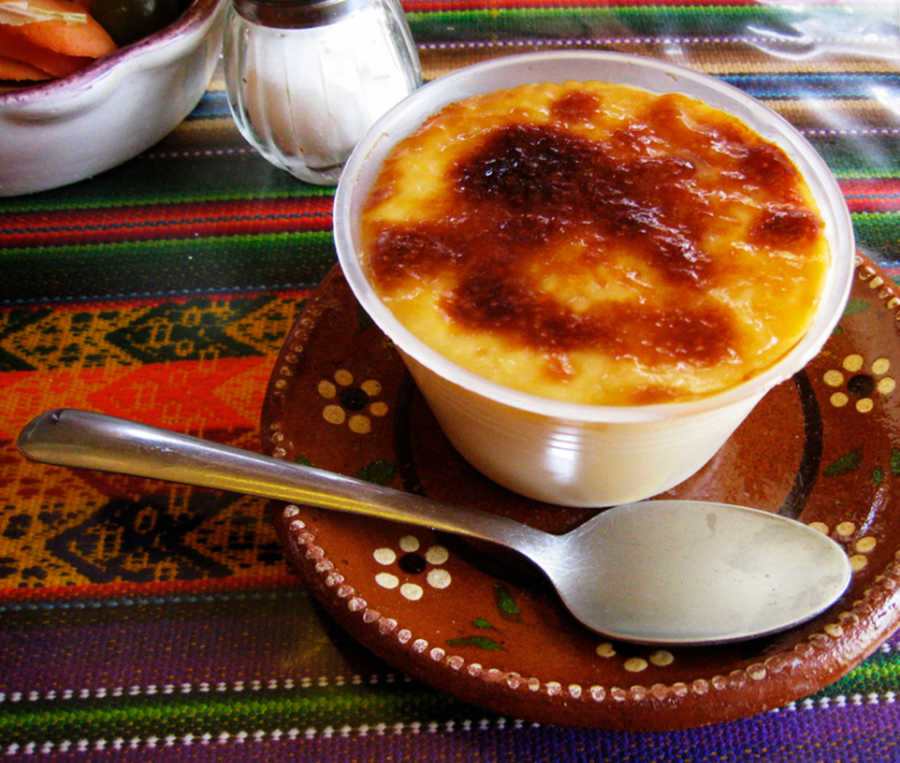
It resembles flan, but its texture and toasted top give it a personality of its own. The dessert is traditionally linked to a convent in Guadalajara and remains a beloved local classic. It is delicate, nostalgic, and the perfect sweet farewell to a city that takes food seriously.
How to Eat Like a Traveler, Not Just a Tourist
The most authentic Mexican meal is not always found in the most stylish dining room. Look for busy local markets, family-run restaurants, neighborhood fondas, and street stalls with a steady flow of customers. Choose places where food is prepared fresh, where the grill is hot, and where local diners are eating.
Do not be afraid to ask questions. Try phrases such as ¿qué me recomienda? (“What do you recommend?”), ¿pica mucho? (“Is it very spicy?”), or sin chile, por favor if you prefer a milder dish. Keep in mind that salsa is often served separately, so you can control the heat yourself.

Most importantly, eat with curiosity. Mexico’s culinary richness cannot be captured in one dish, one city, or one meal. Every region has its own flavors, stories, and traditions. From birria and tortas ahogadas in Guadalajara to mole in Oaxaca and cochinita pibil in Yucatán, each bite is an invitation to travel deeper.
Buen provecho.